Empathy Test
Understanding how we connect with others is an important part of personal growth. The Empathy Test is designed to help you explore your ability to recognize, understand, and respond to the emotions of those around you. By taking this test, you can gain insights into your emotional intelligence, relationships, and social awareness.
Note: This empathy test is designed to help you understand your emotional awareness, improve your connections, and support your personal growth. It is not a diagnostic tool, but a simple guide to reflect on how you relate to others.
What is Empathy Test?
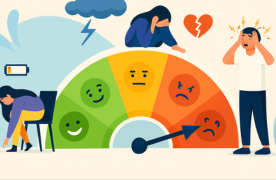
Empathy is the ability to understand and share the feelings of others. It plays a crucial role in building relationships, resolving conflicts, and communicating effectively. The Empathy Test measures your capacity for emotional understanding and how you respond to the experiences of people around you.
This test helps you reflect on:
- How well you recognize emotions in others
- Your ability to imagine what someone else might be feeling
- Your responsiveness and supportiveness in social interactions
Your self-awareness and emotional balance








Types of Empathy
Empathy can be expressed in different ways. The test highlights these key types:
Cognitive Empathy
The ability to understand another person’s perspective or thoughts. Cognitive empathy helps in problem-solving and effective communication.
Emotional Empathy
The capacity to feel what someone else is feeling. Emotional empathy helps you respond with care and compassion.
Compassionate Empathy
Also known as empathic concern, this type drives you to take action to help someone in distress.
Why Take an Empathy Test?
Taking the Empathy Test can help you:
- Understand your emotional intelligence: Identify your strengths and areas for improvement in connecting with others.
- Enhance relationships: Recognize how your empathy impacts friendships, family dynamics, and professional interactions.
- Improve communication: Learn to respond more thoughtfully to the emotions of others.
Promote personal growth: Develop skills that help you be more understanding, compassionate, and socially aware.
How the Empathy Rice Purity Test Works
The Empathy Test consists of a series of questions that assess:
- Recognition of emotions: How well you notice and interpret feelings in others.
- Emotional responsiveness: How you react to the emotions and needs of people around you.
- Perspective taking: Your ability to see situations from someone else’s point of view.
- Compassion and supportiveness: How often you provide comfort or assistance when someone is in need.
After completing the test, you will receive insights into your empathy level, including your natural tendencies and potential areas for growth.
| Score Range | Meaning |
|---|---|
| 90–100 | Very pure, little to no romantic or physical experiences. |
| 70–89 | Innocent but with a few experiences. |
| 40–69 | Moderate experience, a balance between innocence and adventure. |
| 20–39 | More worldly, many romantic or intimate encounters. |
| 0–19 | Highly experienced, little innocence left. |
Why the Empathy Test Matters?
The Empathy Test is a tool for self awareness and personal development. By understanding your ability to connect emotionally with others, you can:
- Strengthen personal and professional relationships
- Improve teamwork and collaboration
- Develop better communication skills
- Increase emotional intelligence for everyday life
Empathy is not just about feeling it’s about understanding, responding, and supporting. This test helps you uncover your natural abilities and guides you toward becoming a more empathetic person.
Common Misconceptions About the Virgin Rice Purity Test
There are many myths surrounding the Rice Purity Test for virgins. Let’s clear a few
| Myth | Truth |
|---|---|
| “You must lower your score to be normal.” | False. Scores are personal—there’s no “good” or “bad” score. |
| “It’s a checklist you need to complete.” | Wrong. The test is reflective, not a to-do list. |
| “Higher scores mean you’re boring.” | Untrue. It only shows innocence, not personality. |
| “It judges morality.” | The test is just entertainment, not a moral judgment. |
Statistical Insights (2025 Update)
Recent surveys show that among teenagers and young adults taking the Virgin Rice Purity Test in 2025:
| Score Range | Percentage of Users |
|---|---|
| 90–100 | 41% |
| 70–89 | 33% |
| 40–69 | 20% |
| 20–39 | 5% |
| 0–19 | 1% |
This indicates that most users score above 70, proving that high scores are completely common and normal.
Conclusion
The empathy test is a powerful way to understand how well we connect with the emotions and perspectives of others. It highlights our ability to listen with care, respond thoughtfully, and build meaningful relationships. Performing well on an empathy test shows emotional awareness and a natural desire to support people around us.